

We are attached by hook and barb
What might you find if you relax your grip on the world for a while?

Greetings from the moss, newly hot and humid.
This week I’ve been peering into that tree darkened interior that I mentioned last time, pushing past the superficiality of “nothing to see here.” I began with a supposition.
Let me start with a photograph, and then I will explain…
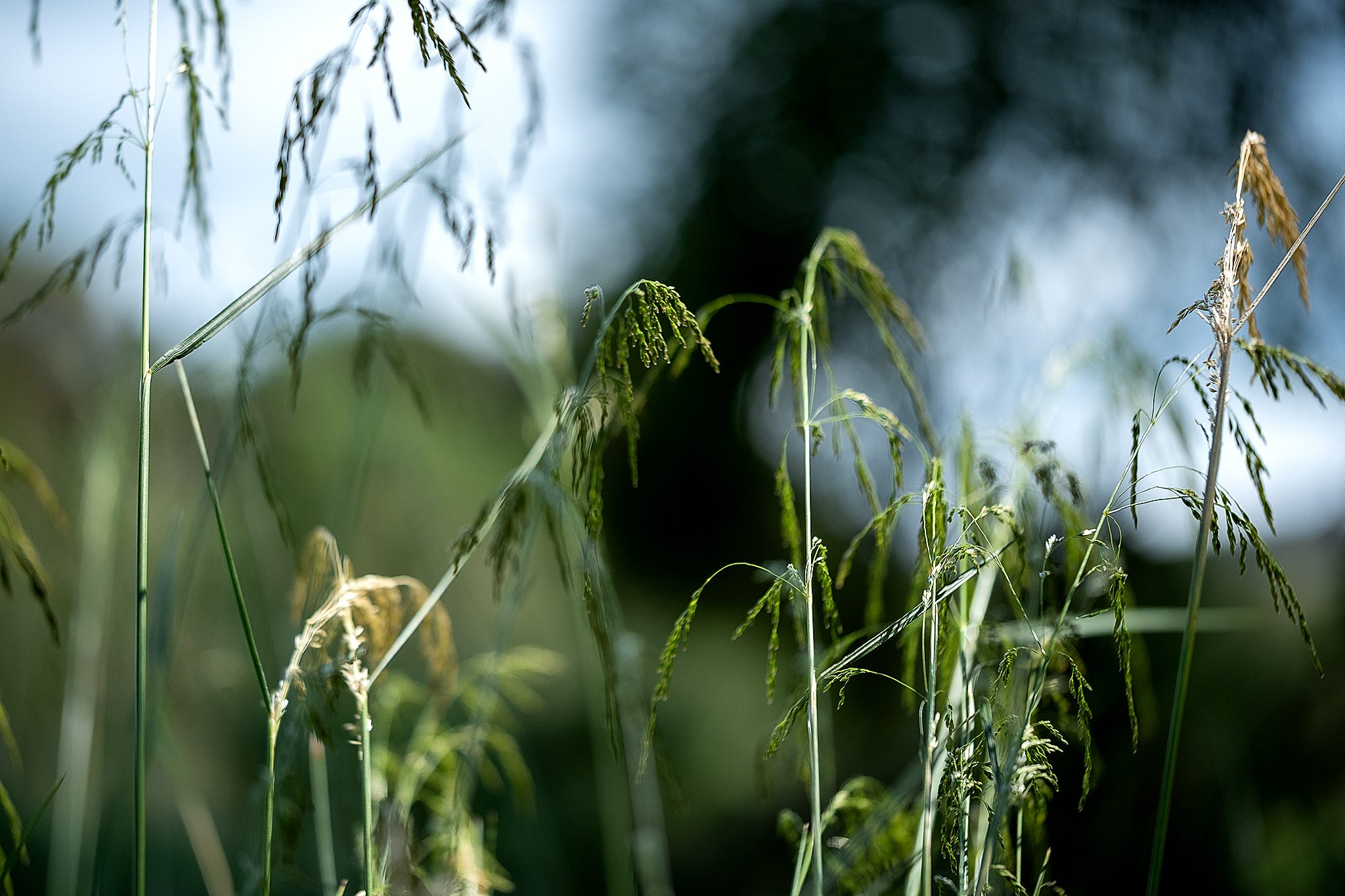
My prompt for making stemmed from an interview that I have just completed for On Landscape magazine with Australian photographer Murray Fredericks. It affords a fascinating window into his process. Murray talks about how he came to concentrate not on landscape but on space, noting that “almost nothing remains unseen”.
At the time, it made me ask myself: working here, with the smallest details, is there room for space between? Instead of an expansive Australian desert, I have a tangle of birch and pine doing their best to encroach upon both the wet moss and the landscape of man. (To be fair, we forced our way into this boggy moor first—draining, fencing, shooting, and prettifying.) I wrote the thought down on a slip of paper.
This week I took the fledgling idea into the woods with me. I also began with the preconception to abstract colour, thinking it would remove distraction from form. Reviewing the photos, I don’t like the camera’s sepia rendering, and choose RAW nature. And really, what is the point of pretending that we aren’t at peak verdure? Green it is.
The space in between
Trying to photograph negative space proves to be a challenge. There is always something beyond the foliage, in the shadows. I shift to manual focus, forcing the camera to ignore shape and edge.
It is only later that I begin to unravel thought. I am usually drawn to the light, here it is the shadow. A succession of miniature nights.
At f/2.8, I come to realise that the space is the blur, where we relax our grip on the world for a while.
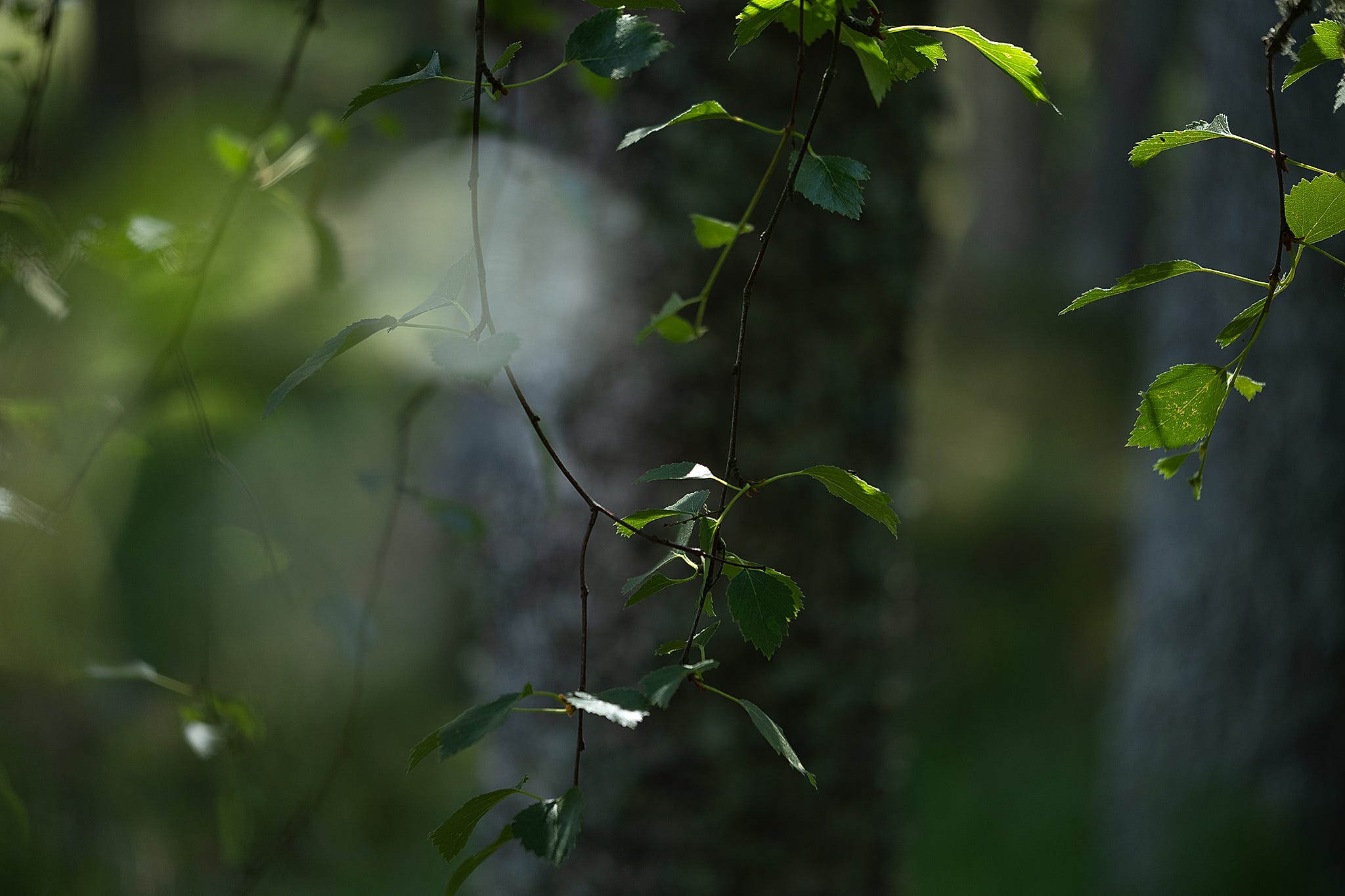
Almost nothing remains unseen
“Almost nothing remains unseen” pushes towards not just what is in the shadows but the plants we think of as weeds.
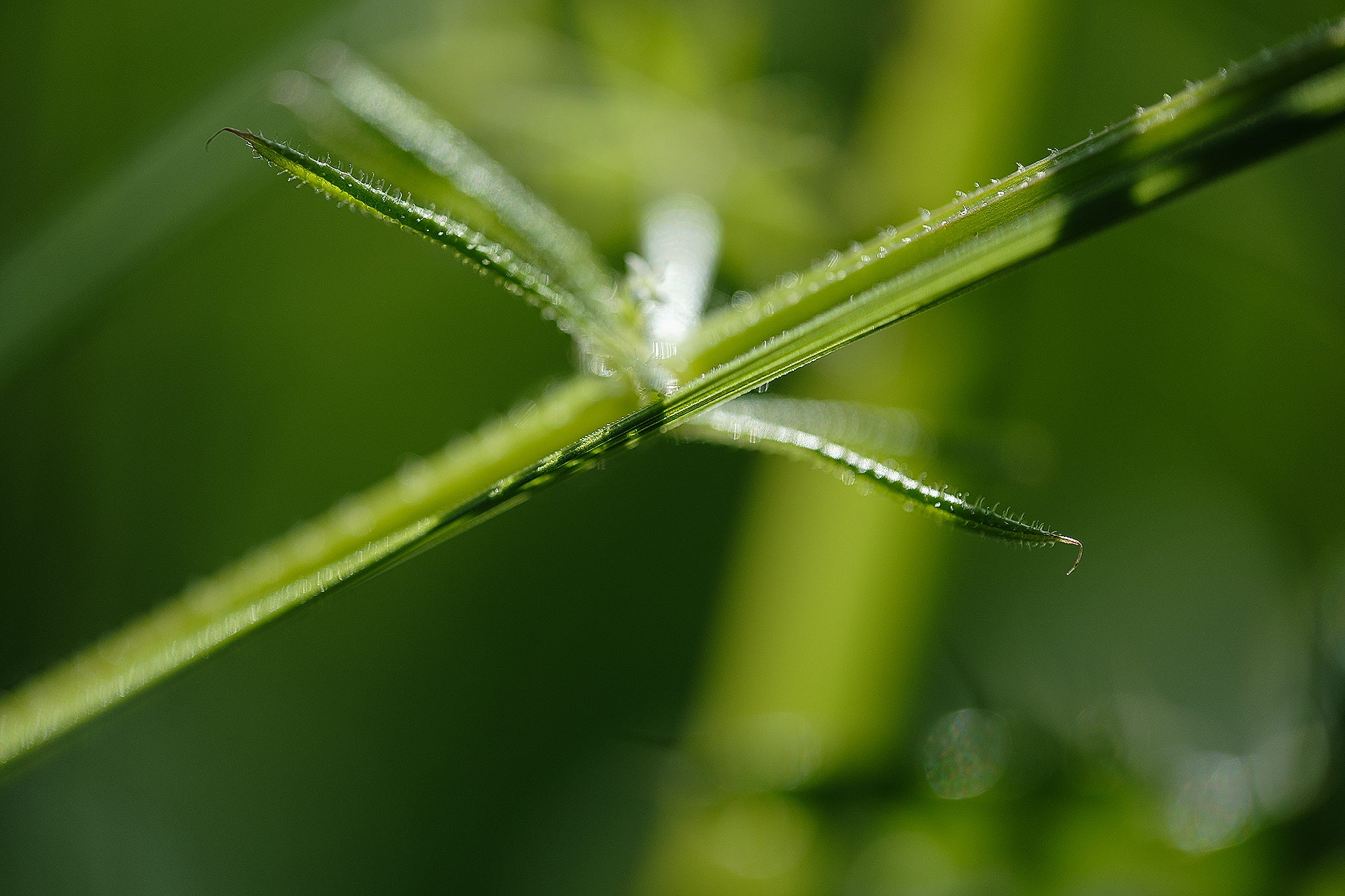
Cleave to me

With barb and hook, and bristled rib.
An architecture; a soaring vault of green amid the understory.
Cleavers becomes cathedral, worshipful of light.
This pilgrim has yet to journey.

Be faithful
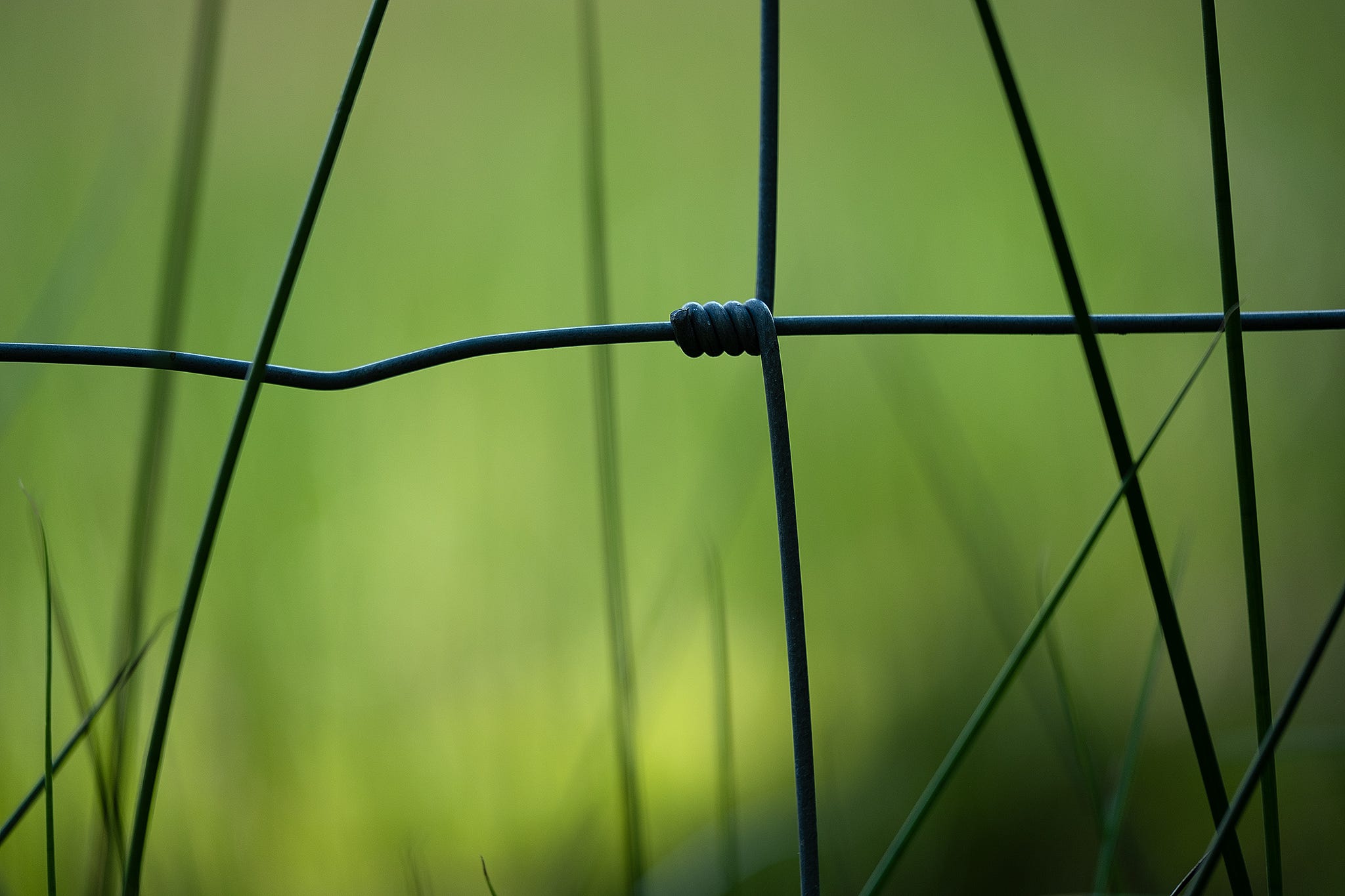
Like the wire of the fence, each rotation of lens is a decision to exclude.

The lines are muddied. Which is rush, and which wire?
Which side in, and which out? Who really is in control here?
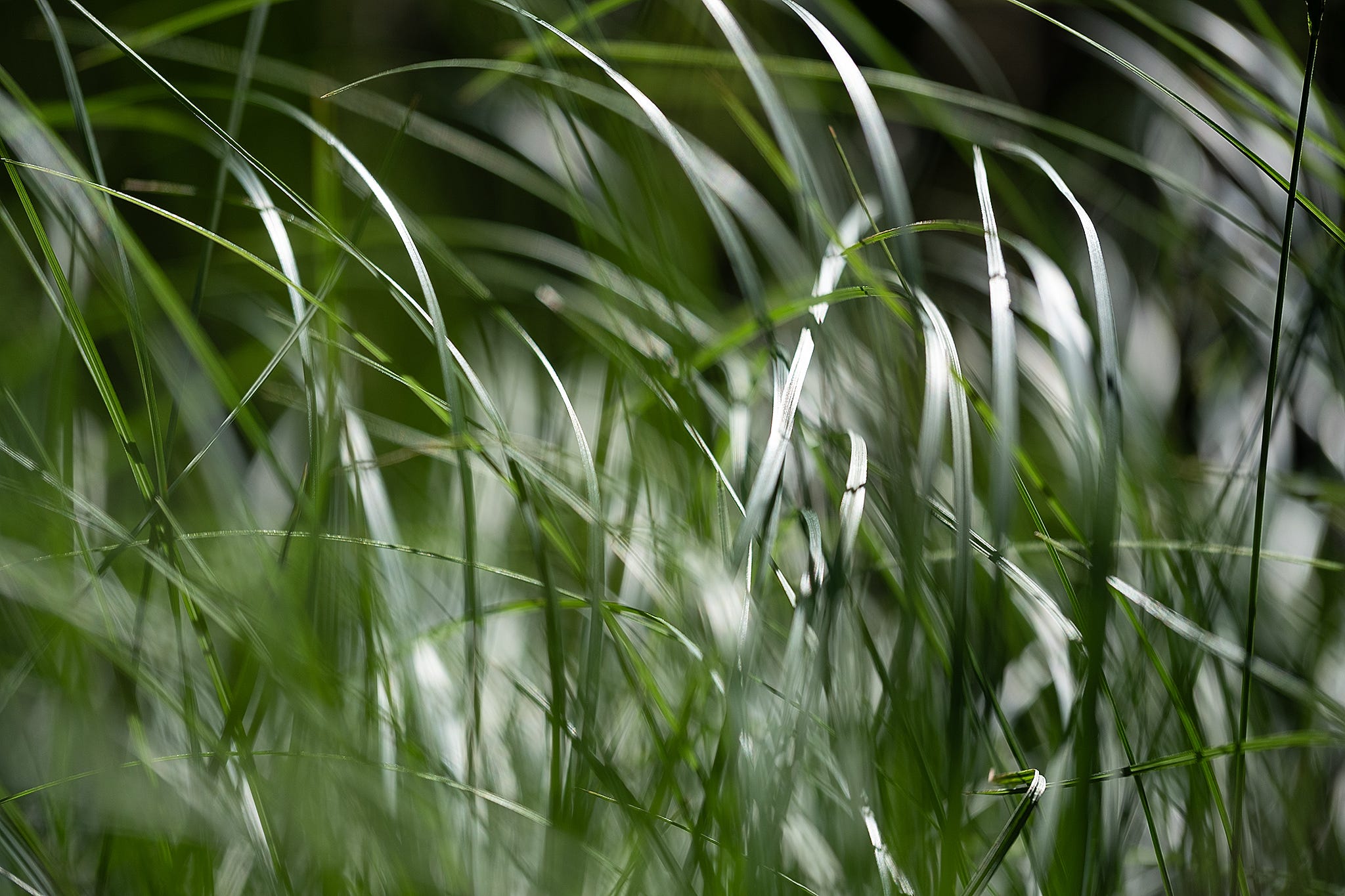
I, eye, with lens, hungry, hunt.
I blunt its ambition with manual focus.
It seeks the edge of blade,
the curve of hook,
the architecture of escape.

I, eye, search for the space in between.
I think the space may be shadow. Later,
I realise that in between is not darkness, or void.
It is blur that creates the space,
that resists our ability to see.

Here is the oxygen,
the breath.

The hope that there is something we have missed.
The world is full of hooks and barbs, ambitions that insist on being seen. By permitting ourselves to step away from the headline stories every now and again, we foster a different kind of attachment. Perhaps that is the real joy of a macro lens—not to remind ourselves of the obvious, but to step back into the space between shadow and light until the world softens. If we can relax our grip on what we think we know, we might just find ourselves attached to something much deeper, and remember our place within nature.
Until next week,

If you’ve enjoyed this Letter from the Moss, please consider encouraging me to write more with a small one-off donation.
You can also help others find this letter online with a simple like or share. It isn’t hidden among the shadows of a paywall.
Joyous as always and an interesting perspective as a photographer myself.
Nice sense if the in between, on the fence.